• Home
  • About Us
    • Our Team
    • Google Classroom
    • Contact
    • Club Merch
    • Past Execs
  • Activities
    • Ongoing initiatives >
      • Paper Recycling
      • Recycling Station
      • Native Plant Garden
      • Energy Ambassadors
      • Community Cleanups
      • Food Forest >
        • Seed Sale >
          • Seed catalogue
    • Previous Events >
      • BC Green Games
      • Nanaimo Climate Action Hub
      • Earth Month 2021
      • Bike To School Week
  • Home
  • About Us
    • Our Team
    • Google Classroom
    • Contact
    • Club Merch
    • Past Execs
  • Activities
    • Ongoing initiatives >
      • Paper Recycling
      • Recycling Station
      • Native Plant Garden
      • Energy Ambassadors
      • Community Cleanups
      • Food Forest >
        • Seed Sale >
          • Seed catalogue
    • Previous Events >
      • BC Green Games
      • Nanaimo Climate Action Hub
      • Earth Month 2021
      • Bike To School Week
DOVER BAY ECO CLUB
  • Home
  • About Us
    • Our Team
    • Google Classroom
    • Contact
    • Club Merch
    • Past Execs
  • Activities
    • Ongoing initiatives >
      • Paper Recycling
      • Recycling Station
      • Native Plant Garden
      • Energy Ambassadors
      • Community Cleanups
      • Food Forest >
        • Seed Sale >
          • Seed catalogue
    • Previous Events >
      • BC Green Games
      • Nanaimo Climate Action Hub
      • Earth Month 2021
      • Bike To School Week

Calendulas


Picture
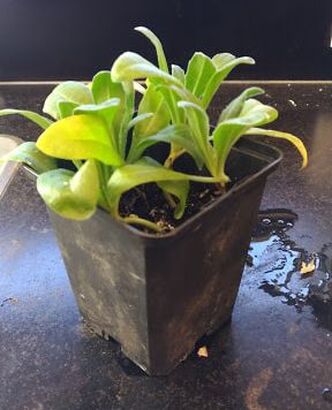
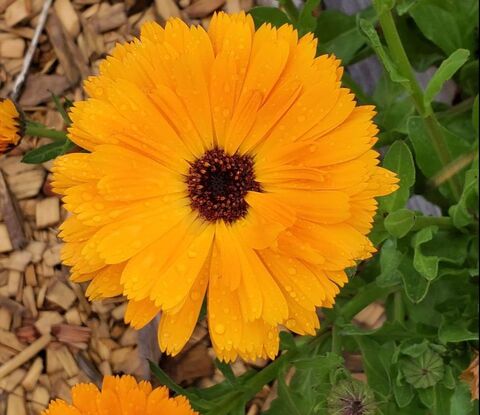
This easy to grow annual has simple, single flowers in solid, bright orange, and yellow. It has straight, sturdy stems so it’s a nice cut flower, and it looks spectacular in mass plantings and adds a  long-lasting color and beauty to a flower bed. The Calendulas petals produce an edible peppery taste when used in stews, broths, and salads. To give it a nice kick of flavor.

These flowers are fairly easy to grow and aren’t much of a hassle. They are also frost tolerant and somewhat cold hardy.

Timing: It is easiest to directly sow them in early spring (early March) and continue into early summer (early June) for fall flowers.
​

Or, indoor plants can be started from February to mid-March for transplanting in April. 

Sowing: Sow the seeds 5mm deep, and try to aim for a spacing of 15-45cm between other plants. ​
​Growing: They can survive in sun or partial shade and in any regular garden soil, which is why they are easy to manage. To prevent self-sowing pinch or cut off the flowerheads of withering flowers.
Picture
Powered by Create your own unique website with customizable templates.