• Home
  • About Us
    • Our Team
    • Google Classroom
    • Contact
    • Club Merch
    • Past Execs
  • Activities
    • Ongoing initiatives >
      • Paper Recycling
      • Recycling Station
      • Native Plant Garden
      • Energy Ambassadors
      • Community Cleanups
      • Food Forest >
        • Seed Sale >
          • Seed catalogue
    • Previous Events >
      • BC Green Games
      • Nanaimo Climate Action Hub
      • Earth Month 2021
      • Bike To School Week
  • Home
  • About Us
    • Our Team
    • Google Classroom
    • Contact
    • Club Merch
    • Past Execs
  • Activities
    • Ongoing initiatives >
      • Paper Recycling
      • Recycling Station
      • Native Plant Garden
      • Energy Ambassadors
      • Community Cleanups
      • Food Forest >
        • Seed Sale >
          • Seed catalogue
    • Previous Events >
      • BC Green Games
      • Nanaimo Climate Action Hub
      • Earth Month 2021
      • Bike To School Week
DOVER BAY ECO CLUB
  • Home
  • About Us
    • Our Team
    • Google Classroom
    • Contact
    • Club Merch
    • Past Execs
  • Activities
    • Ongoing initiatives >
      • Paper Recycling
      • Recycling Station
      • Native Plant Garden
      • Energy Ambassadors
      • Community Cleanups
      • Food Forest >
        • Seed Sale >
          • Seed catalogue
    • Previous Events >
      • BC Green Games
      • Nanaimo Climate Action Hub
      • Earth Month 2021
      • Bike To School Week

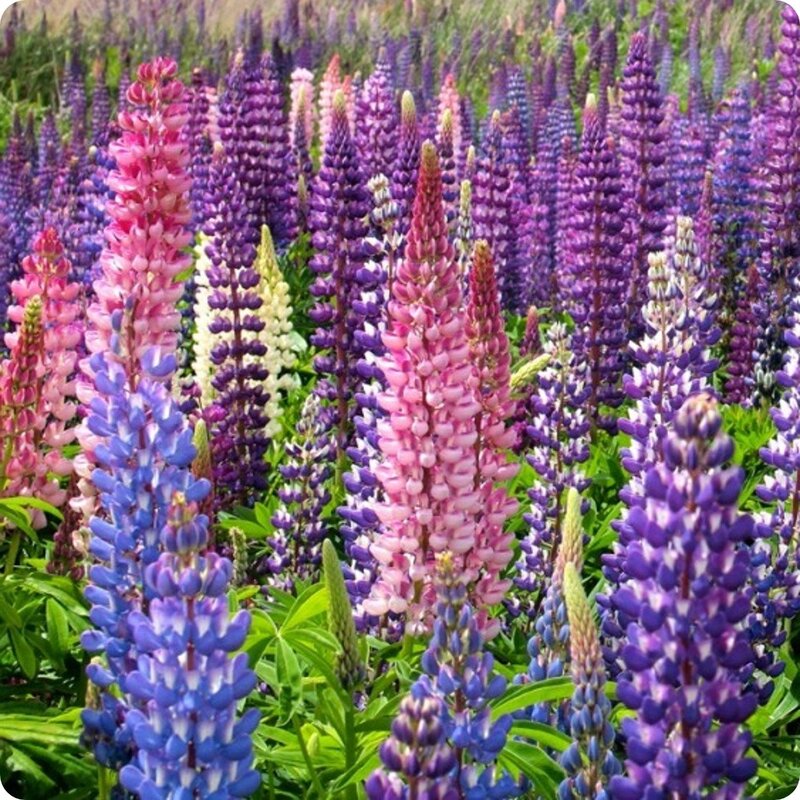
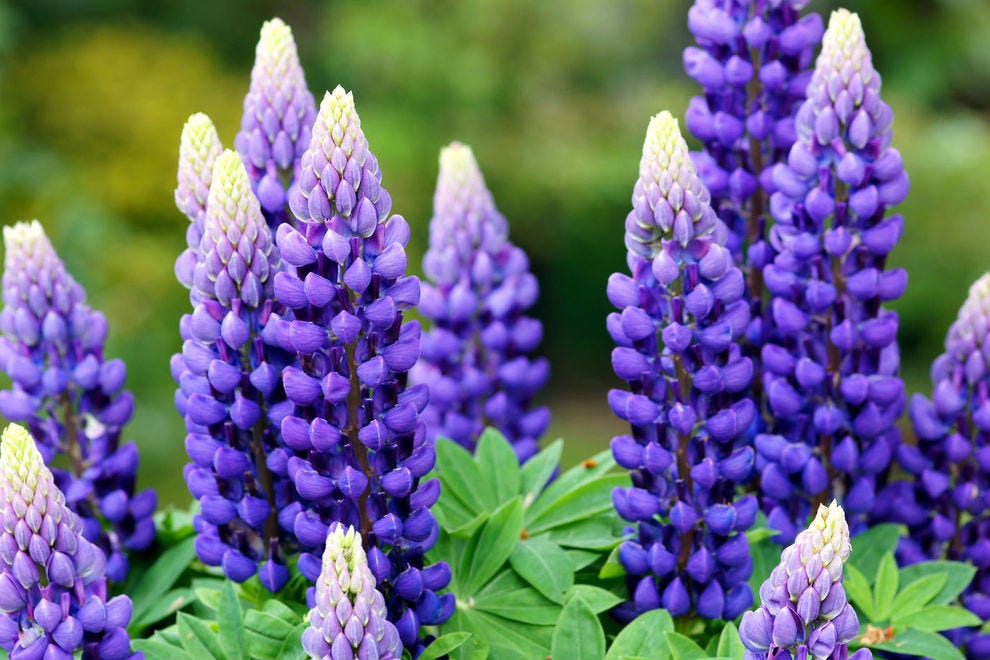
Lupins


Picture
These familiar, brightly-colored pea-shaped perennials grow in dense spires to form their distinctive foliage. Lupins fix nitrogen in the soil and feed pollinators including bees. This plant requires full sun to partial shade and will bloom 2 months after a spring sowing or early summer from a plant sown in the previous fall season. 


Timing: Sow Sow Lupins indoors around mid to late February or sow outdoors in mid-March or in autumn.

Sow: Though they can be started indoors, direct sowing is recommended to avoid transplanting because Lupins dislike having their roots disturbed. Sow seeds around 2mm deep and spaced 12 to 18 inches (30 - 45 cm) apart.

Growing: Lupins do well in fast-draining soil and good sunlight. They do well in average soil which makes them perfect for areas of landscape that hasn't received any compost or fertilizer. After the flowering season, cut the stems down to the base.

​Sunlight:  Lupins grow well in either full sunlight or partial shade.
Picture
Powered by Create your own unique website with customizable templates.