• Home
  • About Us
    • Our Team
    • Google Classroom
    • Contact
    • Club Merch
    • Past Execs
  • Activities
    • Ongoing initiatives >
      • Paper Recycling
      • Recycling Station
      • Native Plant Garden
      • Energy Ambassadors
      • Community Cleanups
      • Food Forest >
        • Seed Sale >
          • Seed catalogue
    • Previous Events >
      • BC Green Games
      • Nanaimo Climate Action Hub
      • Earth Month 2021
      • Bike To School Week
  • Home
  • About Us
    • Our Team
    • Google Classroom
    • Contact
    • Club Merch
    • Past Execs
  • Activities
    • Ongoing initiatives >
      • Paper Recycling
      • Recycling Station
      • Native Plant Garden
      • Energy Ambassadors
      • Community Cleanups
      • Food Forest >
        • Seed Sale >
          • Seed catalogue
    • Previous Events >
      • BC Green Games
      • Nanaimo Climate Action Hub
      • Earth Month 2021
      • Bike To School Week
DOVER BAY ECO CLUB
  • Home
  • About Us
    • Our Team
    • Google Classroom
    • Contact
    • Club Merch
    • Past Execs
  • Activities
    • Ongoing initiatives >
      • Paper Recycling
      • Recycling Station
      • Native Plant Garden
      • Energy Ambassadors
      • Community Cleanups
      • Food Forest >
        • Seed Sale >
          • Seed catalogue
    • Previous Events >
      • BC Green Games
      • Nanaimo Climate Action Hub
      • Earth Month 2021
      • Bike To School Week

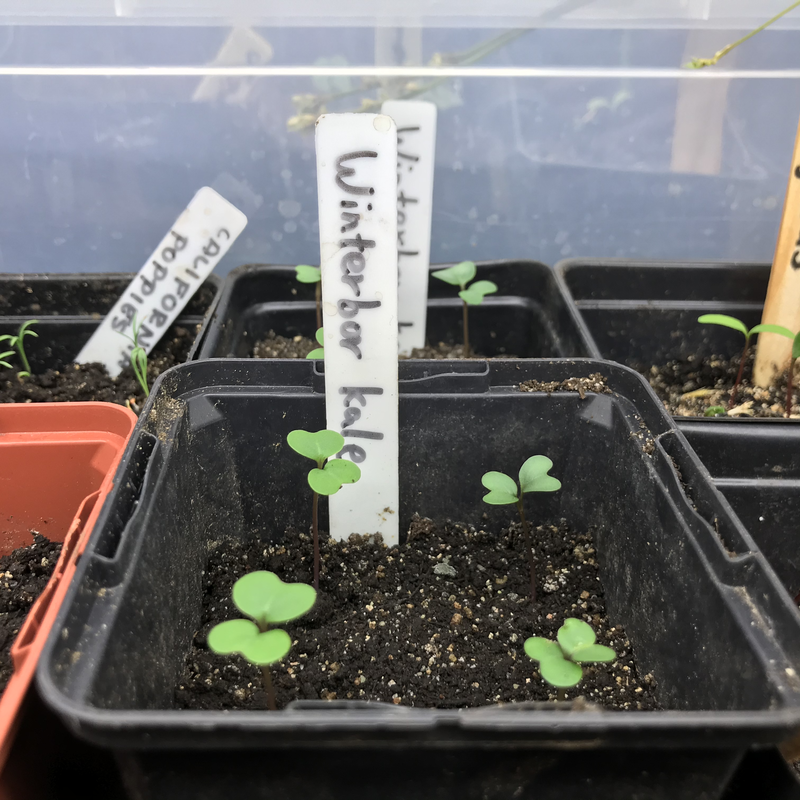
Winterbor Kale


Picture

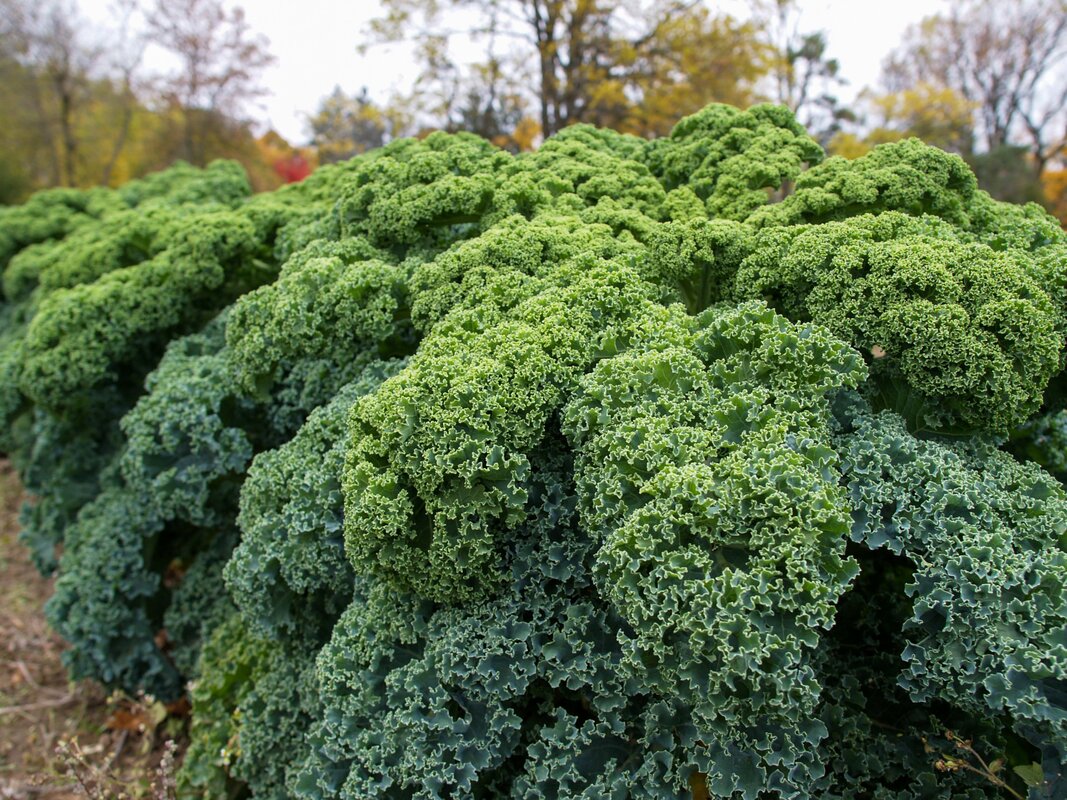
This kale variety sports thick, ruffled, forest-green leaves that are fabulous in salad mixes, smoothies, and other dishes. Kale provides various health benefits and is notorious for being among the most nutrient-packed foods on the planet high in Vitamin C, Vitamin K, minerals, and various antioxidants. 

Winterbor kale is easy to grow, vigorous, and have a great tolerance for cold weather - in fact, the leaves get even sweeter and crunchier after frost!
Timing: Sow seeds directly in March to mid-July for a summer to winter harvest. Or, sow indoors in January under growing lights, harden the young plants off slowly, then transfer them outside in the spring. ​

​Sowing: 


Space the grown plants around 45-60 cm apart in rows 75 cm apart. 


Growing: Kale likes well drained, fertile soil rich in organic matter with consistent and plentiful moisture. Use organic fertilizer to supplement underneath the surface of the soil upon transplanting plants to ensure they receive the nutrients they need. 

​
​
Harvesting: pick leaves from the bottom up as you need them on mature plants.
Picture
Powered by Create your own unique website with customizable templates.